We're in the business of keeping wood alive.
Every board we salvage is a board that doesn't end up in a landfill. Every quote we send is a small bet on the idea that old wood, handled well, is worth more than the convenience of new lumber.
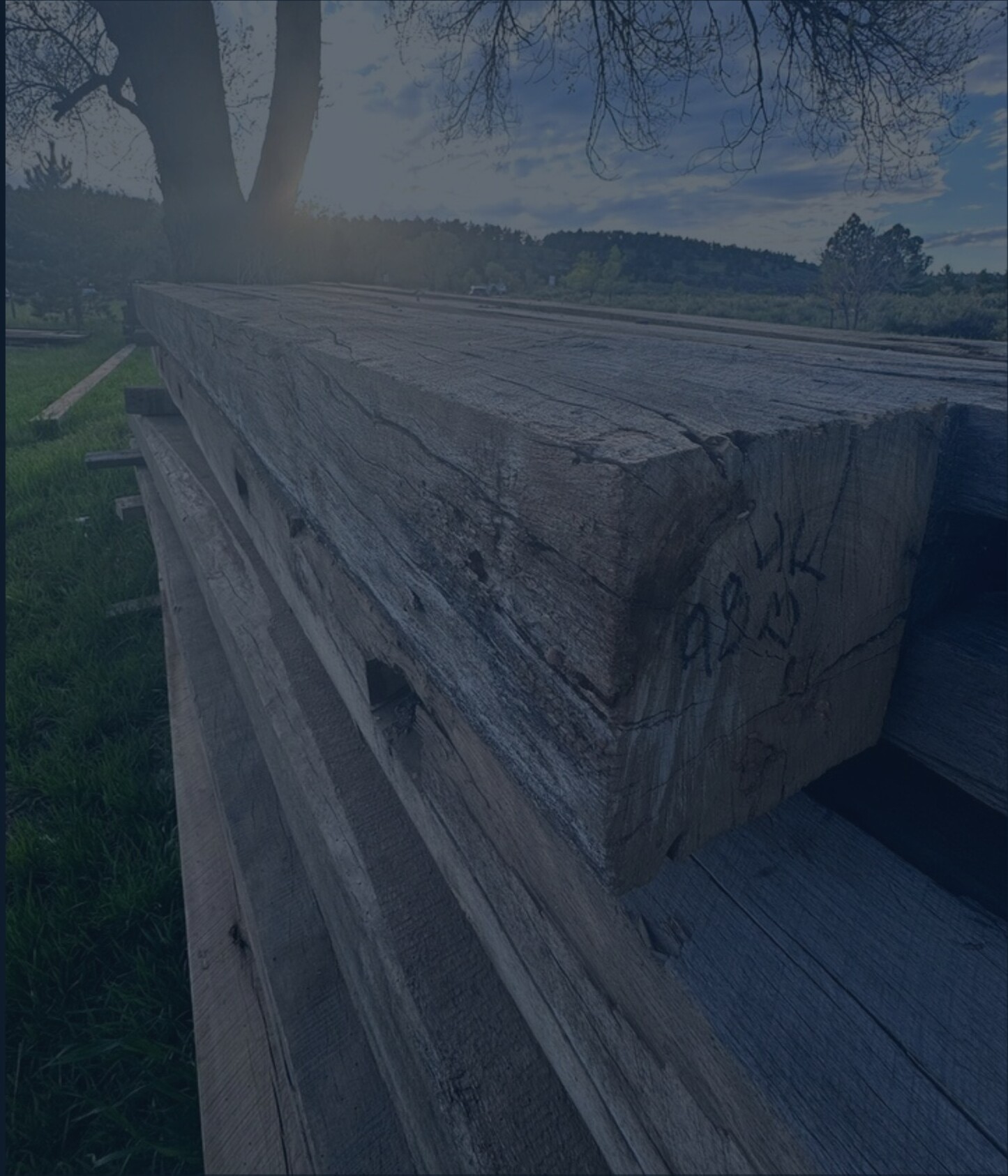
Reclaimed is the work. Intention is the product.
The company started in a barn in 2014 with three people, a flatbed, and a stubborn refusal to throw away anything that still had use in it. Ten years later we're still doing the same thing — we just do more of it, and we do it better.
We don't run a lumber mill. We run a process. Every piece of wood we sell has been pulled from a building that was coming down anyway: a textile mill in Greenville, a barn in Iowa, a warehouse in Tacoma. We tag it where it stands, sort it on the yard, and stage it for delivery in the same order it was milled a hundred years ago.
The wood does the talking. Our job is to not get in its way.
Source like it matters.
We only buy from deconstruction crews and demo contractors who let us pull boards by hand. No mass-shredded reclaim. No mystery stock. If we can't tell you what building it came from, we don't sell it.
Tag every board.
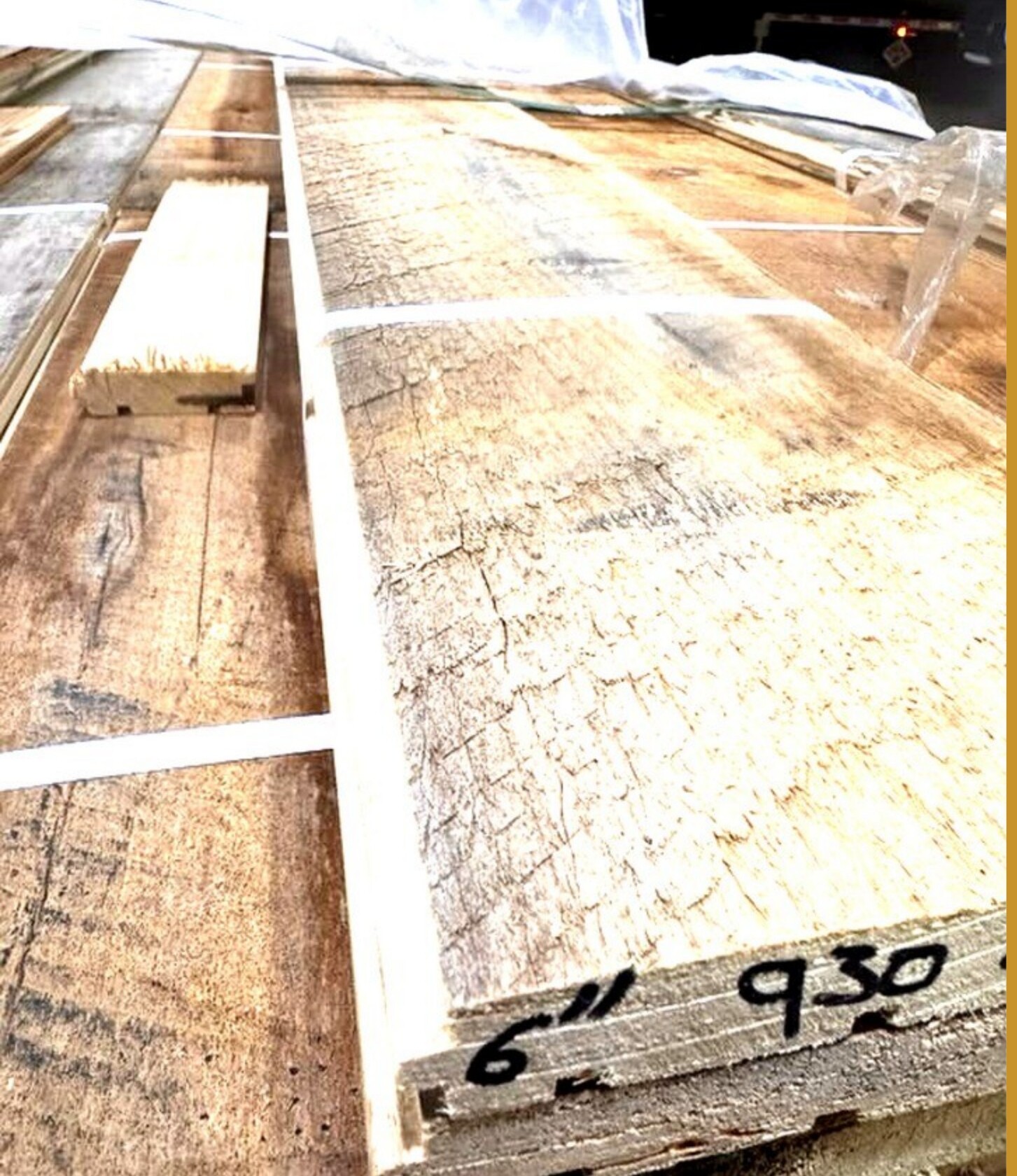
Each piece is measured, graded, and labeled before it leaves the yard. Species, dimension, defect notes — all written on the board, all entered in our log.
Ship like a craftsman.
Strapped flat, edges protected, weight distributed. We've never had a load arrive damaged. We don't plan to start now.
Honest timelines.
If a quote will take a day, we say a day. If a delivery is two weeks out, we say two weeks. Reclaimed wood doesn't move on demand — and we'd rather lose a job than miss a date.
Tell us what you're building.
Browse the yard, or send dimensions and we'll come back with a quote and an honest timeline.